
We live in a space that glorifies the “busy” word. It can feel like our worth is consistency being measured by how many items we ticked off our to-do list that day. Sometimes it can feel like a competition on who is the most overwhelmed or who got the least amount of sleep. When caught up in this world we might find ourselves asking and saying to ourselves: “Why does everyone else seem to have it together except me?” “I used to be able to handle all of this. Why does everything feel so hard now?” “Maybe I’m just lazy. Maybe I need to try harder.” “If I could just get through this week, things would be better… right?”
If this sounds like the dialogue in your head, I want you to know that you are not alone. When you wear many hats and the exhaustion hits hard, it’s easy to assume the problem is you. It is common to blame ourselves. When we blame ourselves we suffer in silence. We exert our energy trying to figure out how to “fix” ourselves. Hint: You aren’t broken. You do not need to be fixed. What you might be experiencing is far more complex and could actually be burnout.
Burnout isn’t a sign that you’re failing. It’s often a sign that you’ve been carrying too much for too long. It does not mean that you are weak. Many of the folks I have worked with before have experienced burnout. These individuals are not “less than.” In fact, a lot of them are just like you- professionals, caregivers, parents, first responders, healthcare workers, educators, and people others depend on every day. When you are used to being the one that “holds it all together,” you become familiar with the grind. With just “pushing through” and “getting stuff done.”
When you are used to firing on all cylinders at all times, burnout can feel confusing. It can feel like you’ve all of a sudden lost the thing that makes you you. When folks first begin to feel the burnout, instead of recognizing that they’re depleted, they tell themselves they just need to be more organized, more disciplined, or more resilient. They drink another cup of coffee, stay up later to catch up on work, or sacrifice the little time they have for rest because there’s always something else that needs to get done. The thing is, those strategies eventually stop working. It’s like continuing to put air in a tire that has a nail in it. Eventually, if you keep driving on it, that tire is going to pop.
Burnout isn’t about a lack of motivation. It’s what happens when your mind and body have been operating under chronic stress without enough opportunity to recover.
What Burnout Can Actually Feel Like:
Burnout doesn’t always look like a full on crash out. Sometimes it looks surprisingly ordinary. It might look like:
- Feeling exhausted even after a full night’s sleep.
- Dreading work that you once enjoyed.
- Becoming impatient.
- Struggling to focus or make simple decisions.
- Feeling emotionally numb or disconnected.
- Feeling guilty any time you try to rest.
Many people describe feeling like they’re constantly running on empty, yet unable to slow down because the demands of life keep coming.
Here’s the thing though…our nervous systems were never meant to stay in survival mode.
Our bodies are amazing. We have built in systems designed to respond to stress. Short periods of stress can help us meet challenges, solve problems, or respond to emergencies.
The problem of burnout arises when stress becomes constant. When your nervous system rarely gets the message that it’s safe to slow down, it stays alert. Over time, that ongoing activation can affect your mood, concentration, sleep, relationships, and even your physical health. This isn’t because you’re doing something wrong. It’s because your body has been working incredibly hard to keep you going.
If you take anything away from this, let it be this. You don’t have to earn rest. One of the hardest parts of burnout is that rest often feels uncomfortable. If we rest, we trick ourselves into believing that we are not being productive and that we need to hop on over back to that never ending to-do list.
You might finally have a free evening, only to feel guilty for not being productive. You sit down to relax, but your mind races through everything you should be doing instead. Many people have learned—through family expectations, workplace culture, or life experiences—that their worth is tied to productivity. When that’s the message you’ve carried for years, slowing down can feel unfamiliar or even unsafe.
Healing from burnout isn’t simply about taking a vacation or checking fewer items off your to-do list. It’s also about examining the beliefs that keep you pushing long after you’ve reached your limit. I’m here to tell you that you do not need to figure this out or do that examination on your own.
If you’re feeling burned out, you don’t need someone to tell you to “just practice self-care.” Chances are, you’ve already tried squeezing in another walk, buying another planner, or promising yourself you’ll rest after the next deadline.
Sometimes what’s needed goes deeper. Therapy offers a safe space to understand what’s contributing to your burnout, explore the patterns that keep you overextending yourself, and reconnect with your own needs without guilt or shame. Together, we can work toward creating a life where your well-being isn’t an afterthought and where success doesn’t come at the expense of your health. You deserve more than simply surviving your days. You deserve to feel present in them.

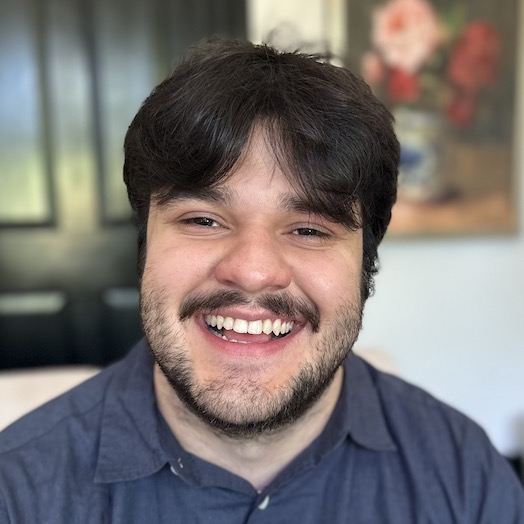
Hi, I’m Taylor Cirksena, therapist for individuals and couples at Love Heal Grow Counseling.
I help individuals cope with stress and overwhelming experiences so they can live a more connected and joyful life. You can experience more fulfillment in your life and relationships! I’m here to support you.
You can read more about me or schedule an appointment here: About Taylor