Supporting Kids Through Negative Self-Talk: A Starting Point for Parents

by

the world is chaotic right now... tips to take care of yourself amidst the chaos

Hearing your child say things like “I’m so dumb,” “I’m an idiot,” or “I want to kill myself” can be an intense part of parenting. These moments often stop us in our tracks and activate a strong urge to make it better right away. While they can feel overwhelming, they are also more common than many parents realize—especially in elementary-aged kids who are still learning how to put big feelings into words.

This kind of language doesn’t automatically mean something is seriously wrong or that you’ve done something wrong. Often, it’s a child’s way of communicating distress, frustration, or overwhelm. This blog isn’t about having the perfect response. It’s meant to offer a starting point for how to stay present, grounded, and supportive when these moments show up.

When kids use negative self-talk, our instinct is often to correct it immediately:

  • “No you’re not.”
  • “Don’t say that.”
  • “That’s not true.”

While loving, these responses can unintentionally shut down the conversation. Instead, try leading with curiosity. Simple phrases like “Tell me more,” or “What was happening when you started feeling that way?” let your child know you’re interested in understanding, not fixing or dismissing.

It can also help to know that many kids are more receptive when they’re not put on the spot. A formal sit-down conversation often doesn’t go well. Some of the best conversations happen side-by-side while doing something else—driving in the car, playing Legos, walking the dog, or folding laundry. These moments tend to feel safer and less intense, making it easier for kids to open up.

As you’re listening, try not to talk through the silence. Most of us feel uncomfortable with quiet and rush to fill the space, especially when we’re worried. But silence can give kids time to gather their thoughts and find their words. If you can tolerate the pause, you may be surprised by what your child is able to share when they’re ready.

Before jumping to conclusions, slow down and take in the bigger picture. Have there been changes in your child’s sleep, eating, energy, or mood? Any shifts in friendships, interests, or behavior? External changes matter too—new teachers, a new school, family changes like divorce, death, or remarriage, or even changes in routine, food, or medication. Negative self-talk often makes more sense when viewed in context.

When you do respond, gentle and honest connection goes a long way. Sometimes it’s helpful to normalize without minimizing. You might say, “I remember being your age and having thoughts like that sometimes. What do you do when those thoughts show up?”

Authenticity matters. If you haven’t had that experience, it’s okay to say, “That’s not something I’ve felt before, but I really want to understand what it’s like for you.

Try to validate before reassuring. You don’t have to agree with the thought to acknowledge the feeling behind it. Statements like “That sounds really hard,” “I’m really glad you told me,” and “I’m here with you” help kids feel supported and regulated enough to keep talking.

It’s also worth paying attention to where these messages might be coming from—peers, siblings, adults, or even joking comments. What matters most is how your child experiences it. Along those same lines, notice how you talk about yourself. Kids are always listening, and they often internalize the language they hear modeled at home. Casual comments about being “so stupid” or “bad at everything” can land more deeply than we intend.

Negative self-talk doesn’t exist in isolation, so keep an eye on the whole child: eating, sleeping, bathroom habits, social connection, and feedback from teachers or caregivers. Teachers can be a valuable resource for understanding what your child may be experiencing during the school day.

If the language feels persistent, escalates, or includes statements about self-harm, reaching out for additional support is a caring and appropriate step. School counselors can be a great place to start. They do much more than just talk with kids—they can help them feel more empowered and included, support social dynamics, collaborate with teachers, and help identify what a child might need to feel safer and more supported at school.

Also be mindful of media and online content. Even elementary-aged kids absorb more than we realize, and it’s worth checking in on what messages they’re taking in.

When kids speak harshly about themselves, they’re not asking us to fix them. They’re asking us to listen, to stay close, and to help them make sense of feelings that feel too big to hold alone. You don’t need perfect words. Your steadiness, curiosity, and willingness to stay present matter more than getting it right.

This is a tender and intense part of parenting—and you don’t have to navigate it alone.

liza haroldson therapist in sacramento

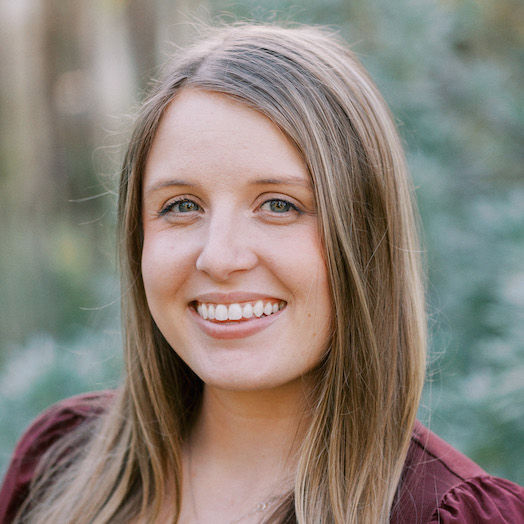
Hi, I’m Liza Haroldson​, therapist for individuals, couples, and parents at Love Heal Grow Counseling.

​I help individuals cope with stress and overwhelming experiences so they can live a more connected and joyful life. You can experience more fulfillment in your life and relationships! I’m here to support you.

You can read more about me or schedule an appointment here: About Liza

Love Heal Grow Therapists
Filter & Find Your Match

Megan Negendank, LMFT, CST Founder (she/her)

Megan Negendank, LMFT, CST Founder (she/her)

Owner & Founder | 450 per session | Not accepting clients
Madison Hamzy, LMFT (she/her)

Madison Hamzy, LMFT (she/her)

Therapist & Assistant Director | 300 per session | Relationship & Sex Therapy, Intimate Connection & Less Stress, Men with ED or ADHD, People who get stuck in their heads and worry a lot | Waitlist Only
Natalie Delfin, LCSW (she/they)

Natalie Delfin, LCSW (she/they)

Therapist & Assistant Director | 230 per session | Relationship & Sex Therapy, More Pleasurable Sex, Learning to express feelings, CNM & Kink, QTBIPOC, Couples with differing sexual desires | Waitlist Only
Rachel Cloud, LCSW (she/her)

Rachel Cloud, LCSW (she/her)

Therapist & Clinical Supervisor | 225 per session | Relationship & Sex Therapy, Healing from Abuse & Betrayal, Queer & Trans Identity, People who care deeply and are told they are "too much"
Ann Marie McKnight, LMFT (she/her)

Ann Marie McKnight, LMFT (she/her)

Therapist | 250 per session | Relationship & Sex Therapy, Grief & Loss, Childhood Emotional Neglect, Family Therapy for Parents & Adult Children
Linda Rolufs, LMFT (Online Only, she/her)

Linda Rolufs, LMFT (Online Only, she/her)

Therapist | 240 per session | Relationship & Sex Therapy, Anxiety & OCD, Menopausal and post-menopausal women wanting more pleasure in sex, Women who feel invisible
Ashley Barnes, LMFT (she/her)

Ashley Barnes, LMFT (she/her)

Assistant Director
Maegan Tanner, LMFT (she/her)

Maegan Tanner, LMFT (she/her)

Therapist | 225 per session | Relationship & Sex Therapy, Stress & Burnout, LGBTQ+, People who judge themselves a lot
Susan DuBay, LMFT (she/they)

Susan DuBay, LMFT (she/they)

IFS Therapist & Clinical Supervisor | 240 per session | Relationship & Sex Therapy, Communication & Intimacy, Healing from Betrayal & Trauma, High-Masking Neurodivergence, LGBTQ+
Charisse Brass, AMFT (Online Only, she/her)

Charisse Brass, AMFT (Online Only, she/her)

Therapist | 180 per session | Relationship & Sex Therapy, Moms & Parenting Couples, Emotional & Physical Connection, Postpartum, Stress Management
Joanna de Leon, AMFT (Online Only, she/her)

Joanna de Leon, AMFT (Online Only, she/her)

Therapist | 180 per session | Relationship & Sex Therapy, Burnout & Pressure to be Successful, Immigrants & First Gen, Current & Former Athletes, People who Avoid Conflict
Maria Dimachkie, ACSW (she/her)

Maria Dimachkie, ACSW (she/her)

Trauma Therapist | 200 per session | Relationship & Sex Therapy, Survivors of Trauma: Sexual Assault & Relationship Abuse; People who have been hurt by loved ones; People who question themselves a lot
Hannah Slicton-Williams, LMFT (she/her)

Hannah Slicton-Williams, LMFT (she/her)

Trauma Therapist | 240 per session | Relationship & Sex Therapy, Healing from Trauma - Relationship Abuse, Violence, and Sexual Assault, Love after Trauma
Abby Hollandsworth, AMFT (she/they)

Abby Hollandsworth, AMFT (she/they)

Therapist | 180 per session | Relationship & Sex Therapy, Communication & Intimate Connection, Anxiety-Depression-Anger, LGBTQ+, Religious Trauma & Grief
Liza Haroldson, LCSW (she/her)

Liza Haroldson, LCSW (she/her)

Therapist | 240 per session | Relationship & Sex Therapy, Disconnected & Bickering Couples, Depleted & Exhausted Working Moms, Low Self Esteem, Trauma & Anxiety
Justine Marine, AMFT (she/her)

Justine Marine, AMFT (she/her)

Therapist | 180 per session | Relationship & Sex Therapy, Emotional & Physical Connection, Parenting, Trauma
Jamie Silva, AMFT (she/her)

Jamie Silva, AMFT (she/her)

Therapist | 180 per session | Relationship & Sex Therapy, Childhood and Adult Relationship Attachment Wounds, Emotional & Physical Connection
Emily Sharp, ACSW (she/her)

Emily Sharp, ACSW (she/her)

Therapist | 170 per session | Relationship & Sex Therapy, Trauma & Anxiety, Infidelity, Men with ED, Perfectionism & people who put the needs of others ahead of their own
Larissa Manalansan, AMFT (she/her)

Larissa Manalansan, AMFT (she/her)

Therapist | 170 per session | Relationship & Sex Therapy, People Pleasers, Longterm relationships, Trauma: Guilt & Shame
Emma Derstine, APCC (she/her)

Emma Derstine, APCC (she/her)

Therapist | 170 per session | Relationship & Sex Therapy, Childhood and Adult Relationship Trauma, People who feel unlovable
Amber Westbrook, ACSW (she/her)

Amber Westbrook, ACSW (she/her)

Therapist | 170 per session | Relationship & Sex Therapy, LGBTQ+ Relationships, Confidence & Enjoyment in Sex
Melanie Rivera, AMFT (she/her)

Melanie Rivera, AMFT (she/her)

Therapist | 170 per session | Relationship & Sex Therapy, Anxiety & Trauma, Parenting Couples, Hurting in relationships
Sabrina Chen, APCC (she/her)

Sabrina Chen, APCC (she/her)

Therapist | 170 per session | Relationship & Sex Therapy, Anxiety & Depression, Immigrant & First Gen, People who feel like their partner doesn't understand them
Maddie McCain, AMFT

Maddie McCain, AMFT

Therapist | 170 per session | Relationship & Sex Therapy, LGBTQ+, Low Self Esteem, Stress & Burnout, People who are always worried about what others think of them
No results found.
winrarholiganbetholiganbet giriştipobettipobet girişvaycasinovaycasino giriş