
I hear you’re thinking about starting therapy and one of the things you want to talk about is related to your sexual desires. You may feel really weird about it and often think it’s better left unspoken about. Maybe it’s because you’ve never met anyone who is into what you’re into or you haven’t told anyone else about it, or maybe, you’re worried about the judgement from others. Talking about it in therapy could be an option, and you may even question: “Is this too weird to talk about in therapy?”
Short answer: NO! You and what you bring in, is never too much. Therapy spaces are made so you can share, vent, and work on items that feel really heavy for you.
If you’re afraid to discuss sexuality but you’re hoping to receive care, guidance, and a non-judgmental perspective, I invite you to take a step into my office.
Of course, there may be some things you’re worried about and finding the right therapist can definitely be one of them.
All therapists are mandated reporters and are able to work with general mental health struggles BUT folks have more training in crisis management, domestic violence, sex/sexuality or etc.
As an FYI, mandated reporters are bound to report a few things:
- If a child is endanger
- This includes if there is child pornography involved
- If an elderly or dependent is endanger
- If we believe you are at imminent harm to yourself or others (i.e. you will leave the session and hurt yourself or others)
Outside of those things, everything you mention to a therapist is confidential! This means, nothing is “too much” to bring into sessions even if it falls within those categories. We are here to HELP, first and foremost.
So why are we talking about what’s okay and not okay to bring into therapy, Flo?
Well, the reason I am bringing this up is because I have had several clients come in with fears about discussing their desires due to believing they are morally wrong or punishable. Unfortunately, in the mental health field, taboo desires have been, and often are still, labeled “paraphilias”
As seen in the DSM-5, the diagnostic manual that mental health professionals use, we see paraphilia defined as “intense and persistent atypical sexual interests” that cause “personal distress, personal harm, social impairment, and/or risk of harm.”
With this definition being so wide, we have seen folks labeled, pathologized, and ousted from society and/or the community they have turned to for support (ex: queer folks).
This is why I, as a sex therapist, move away from the use of “paraphilia” as a clinical diagnostic standard or term.
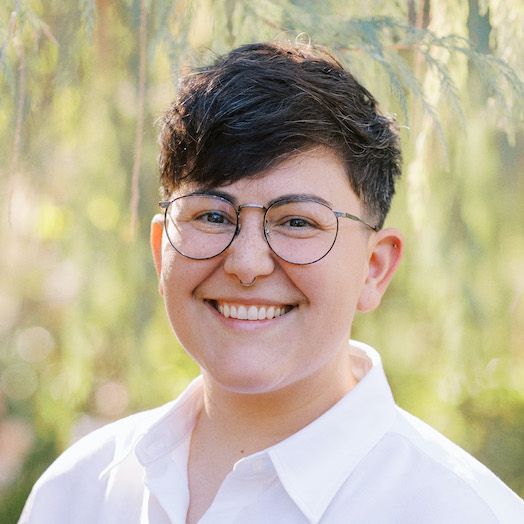
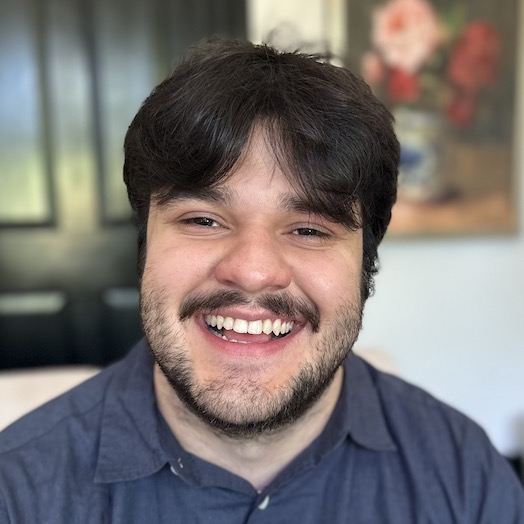
Hi I am Flo (they/them), I am a Marriage and Family therapist with training in what are seen as “taboo” or “controversial” topics such as sexuality, fetishes, sex/porn addiction, non-monogamy, and kink. I personally have worked with folks who have interest or thoughts about many of the 200 listed paraphilias such as zoophilia, voyeurism, Ephebophilia, Somnophilia, and more.
Regardless of your therapist’s approach, it’s understandable to still feel a lot of shame and fear when bringing these up in sessions. Here are a few helpful tips that might make bringing it u a little easier:
- Make sure they are trained in sex and sexuality (not every therapist has sufficient training in this)
- Be honest about having items that you feel are embarrassing or hard to discuss
- Wait until you are ready and comfortable. You should never feel pressured to reveal your fears to a therapist.
- Bring it up and share about your feelings surrounding it. Be clear about if and how you have taken action around it.
One way to find a trained sex therapist is through AASECT a national organization that vets and lists therapists as well as holds the belief that “there is an urgent need for sexual healing practices, that is, for biopsychosocial or holistic care, for therapeutic intervention, and for personal growth opportunities to be made available to all people, who are compromised in their pursuit of sexual health and happiness.”
If you’ve resonated with this message, know that there are professionals like me who will meet you with compassion, not judgment, and who will support you in exploring your sexuality and mental health safely.
You are not alone, and you are not “too much.” Ever.

Hi, I’m Flo Oliveira, therapist for individuals and couples at Love Heal Grow Counseling.
I help individuals and couples who want to rediscover themselves, their sexual intimacy, and pleasure. You can experience more fulfillment in your life and relationships! I’m here to support you.
You can read more about me or schedule an appointment here: About Flo
Love Heal Grow Therapists
Filter & Find Your Match

Megan Negendank, LMFT, CST Founder (she/her)

Madison Hamzy, LMFT (she/her)

Natalie Delfin, LCSW (she/they)

Rachel Cloud, LCSW (she/her)

Linda Rolufs, LMFT (Online Only, she/her)

Maegan Tanner, LMFT (she/her)

Susan DuBay, LMFT (she/they)

Maria Dimachkie, LCSW (she/her)

Hannah Slicton-Williams, LMFT (she/her)

Liza Haroldson, LCSW (she/her)

Charisse Brass, AMFT (Online Only, she/her)

Joanna de Leon, AMFT (Online Only, she/her)

Abby Hollandsworth, LMFT (she/they)

Justine Marine, AMFT (she/her)

Jamie Silva, AMFT (she/her)

Emily Sharp, ACSW (she/her)

Larissa Manalansan, AMFT (she/her)

Emma Derstine, APCC (she/her)

Amber Westbrook, ACSW (she/her)

Melanie Rivera, AMFT (she/her)

Sabrina Chen, APCC (she/her)

Maddie McCain, AMFT

Ginger Eachus, AMFT (she, her)

Jenny Gibson, AMFT (she/her)

Sabeer Amin (he/him)

Sonel Kedia (she/her)